Car diagnostic services have quietly become one of the most important tools in modern vehicle maintenance. They take the guesswork out of auto care, and more important, they can save you from turning a minor issue into a repair bill that keeps you up at night.
Whether you're a daily traveler, a first-time car owner, or someone thinking about buying a used vehicle, understanding how diagnostics work is genuinely useful knowledge.
An On-Board Diagnostics system, or OBD2 system, is actually incorporated into every car that is created. It is basically a system of sensors and microchips designed to constantly track your car's critical systems, such as engine, transmission, brakes, fuel delivery, emissions controls, and more.
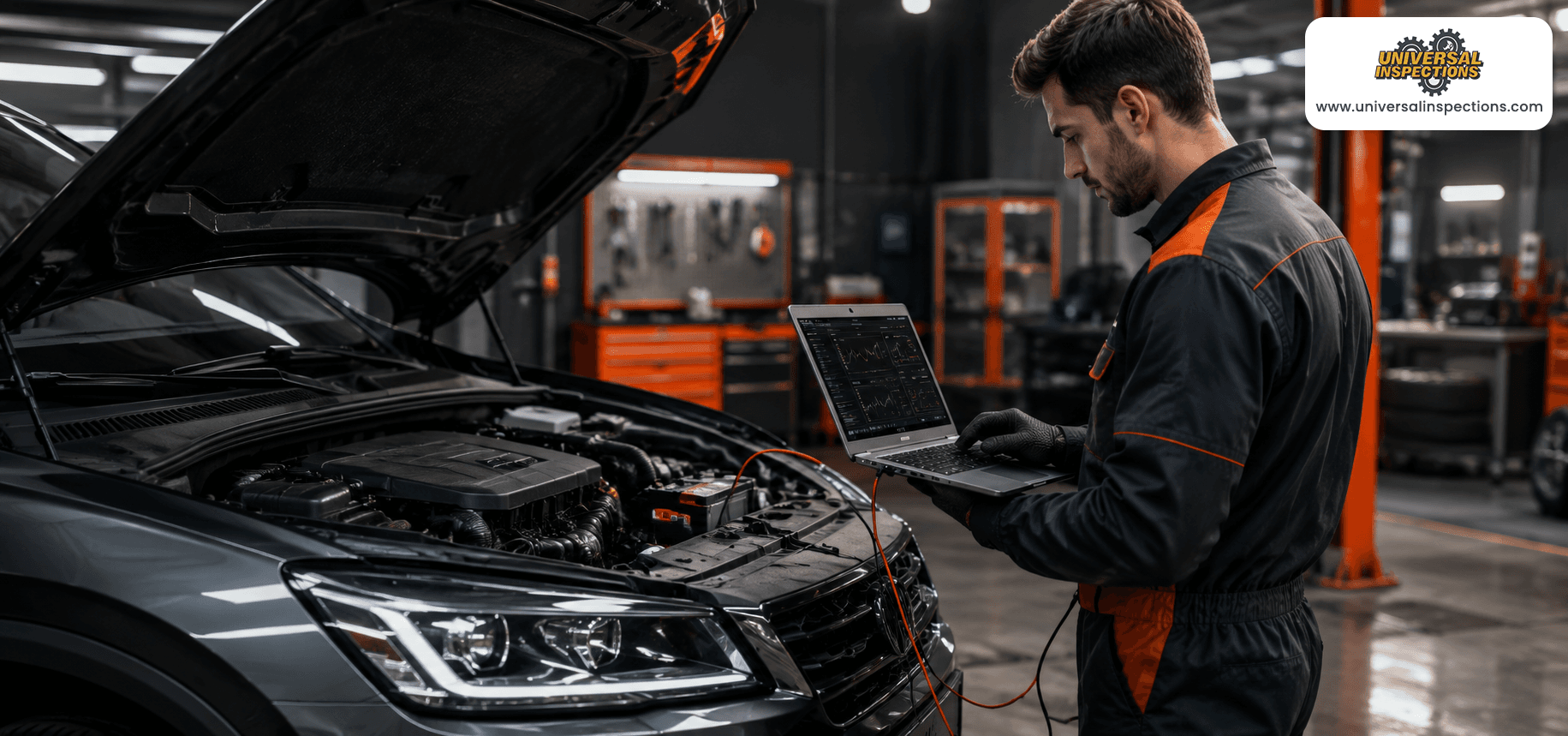
A technician runs a diagnostic test by connecting a specialized scanner to your car's OBD2 port, typically found beneath the dashboard near the steering column. All stored DTCs are scanned and provide the technician with a specific starting point in determining the problem.
Engine performance – Misfires, timing problems, fuel efficiency problems
Transmission - Irregular shifting, slipping gears, delayed engagement
Exhaust and emissions -Catalytic converter health, oxygen sensor readings
Faults to the braking system-ABS and brake pressure irregularities.
Electrical systems -Battery condition, alternator output, wiring faults.
Cooling system -Thermostat function, coolant levels, radiator performance
Airbag and safety systems -Sensor and deployment circuit checks
The obvious trigger is a warning light — check engine, ABS, traction control, or any other indicator that wasn't there yesterday. But waiting for a light to appear isn't the only reason to book a diagnostic. There are several other situations where running a scan simply makes sense.
If you're seriously considering buying a used car, a pre-purchase car inspection that includes a full diagnostic scan is non-negotiable. A vehicle can look pristine on the outside while quietly hiding transmission issues, or reset fault codes designed to temporarily clear warning lights before a sale.
A pre-purchase vehicle inspection that incorporates a diagnostic report gives you a transparent picture of the car's actual health, not just what the seller is telling you. Companies like Universal Inspections are specifically equipped to perform these checks, providing you with documented findings so you can negotiate confidently or walk away from a bad deal.
A diagnostic test generates data — but data without interpretation isn't particularly useful. This is where a skilled, experienced technician makes all the difference. The trouble codes narrow down which system is involved, but they rarely tell the complete story on their own.
Once the cause has been properly identified, you should receive a written breakdown of findings and a clear recommendation for any necessary repairs, along with an estimate, before any work begins.
A basic OBD2 code read — the kind that tells you which fault code triggered a warning light- is often available at auto parts stores at no charge. However, a comprehensive diagnostic that checks multiple systems, reviews stored historical data, and includes a technician's analysis typically runs anywhere from $50 to $150 at a professional shop.
Some providers advertise free diagnostic scans, but may incorporate the cost into labour charges or attach conditions that aren't immediately obvious.
A car diagnostic test isn't just something you do when a warning light appears; it's a practical, proactive tool for any responsible vehicle owner. It gives you accurate information at a point when small problems are still small, before they compound into something far more disruptive and expensive.
If you're buying a used car, make the pre-purchase car inspection a priority, and ensure it includes a full diagnostic scan from a qualified professional. Regular diagnostic checks, especially when something feels slightly off, are one of the simplest ways to protect your investment and keep yourself safe on the road.

Most standard diagnostic tests take between 30 minutes to 1 hour, depending on the issue and the systems being checked.
A technician can clear codes, but if the underlying problem isn't repaired, the warning light will usually return.
Not always. Diagnostics identify electronic and sensor-related faults, but some mechanical issues still require physical inspection by a technician.