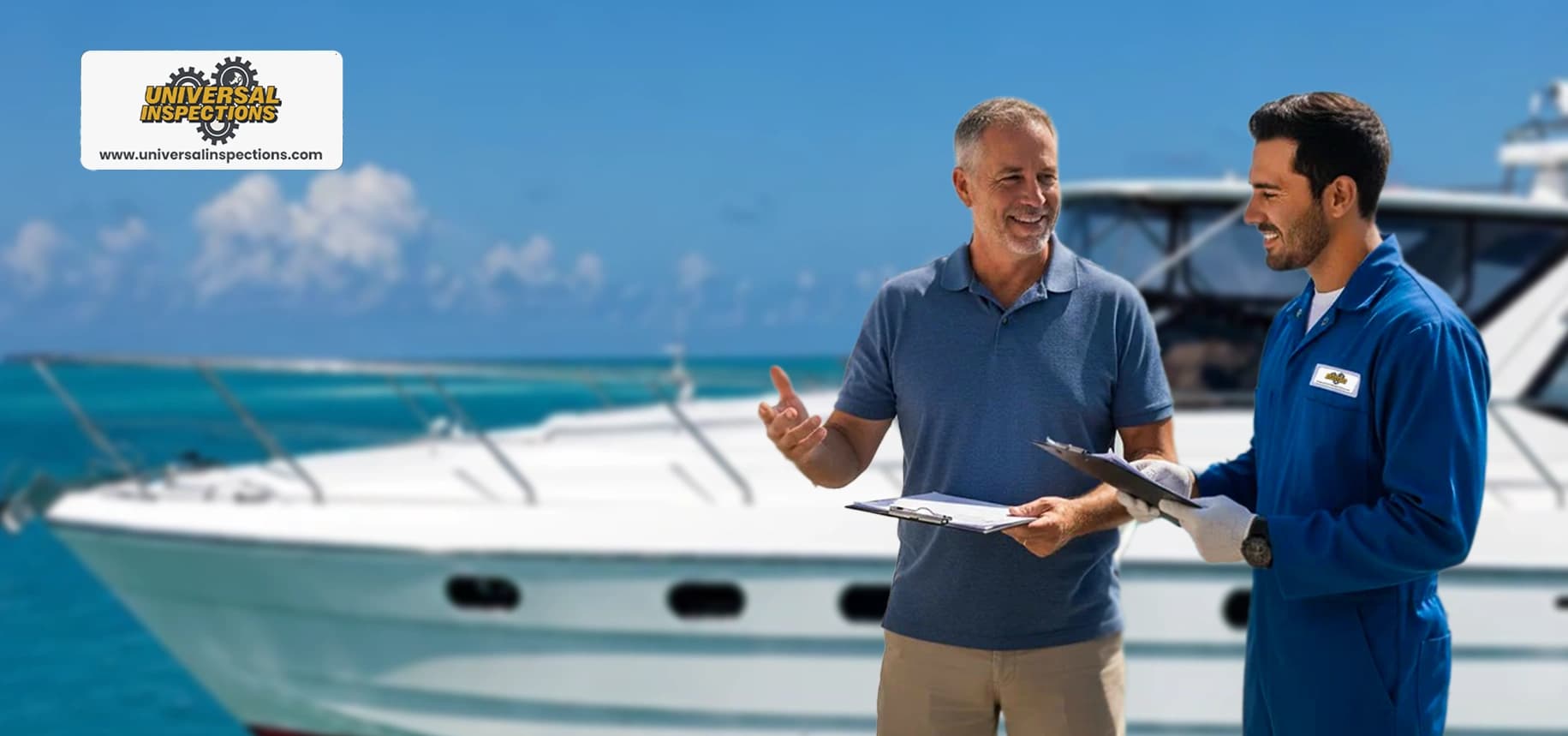
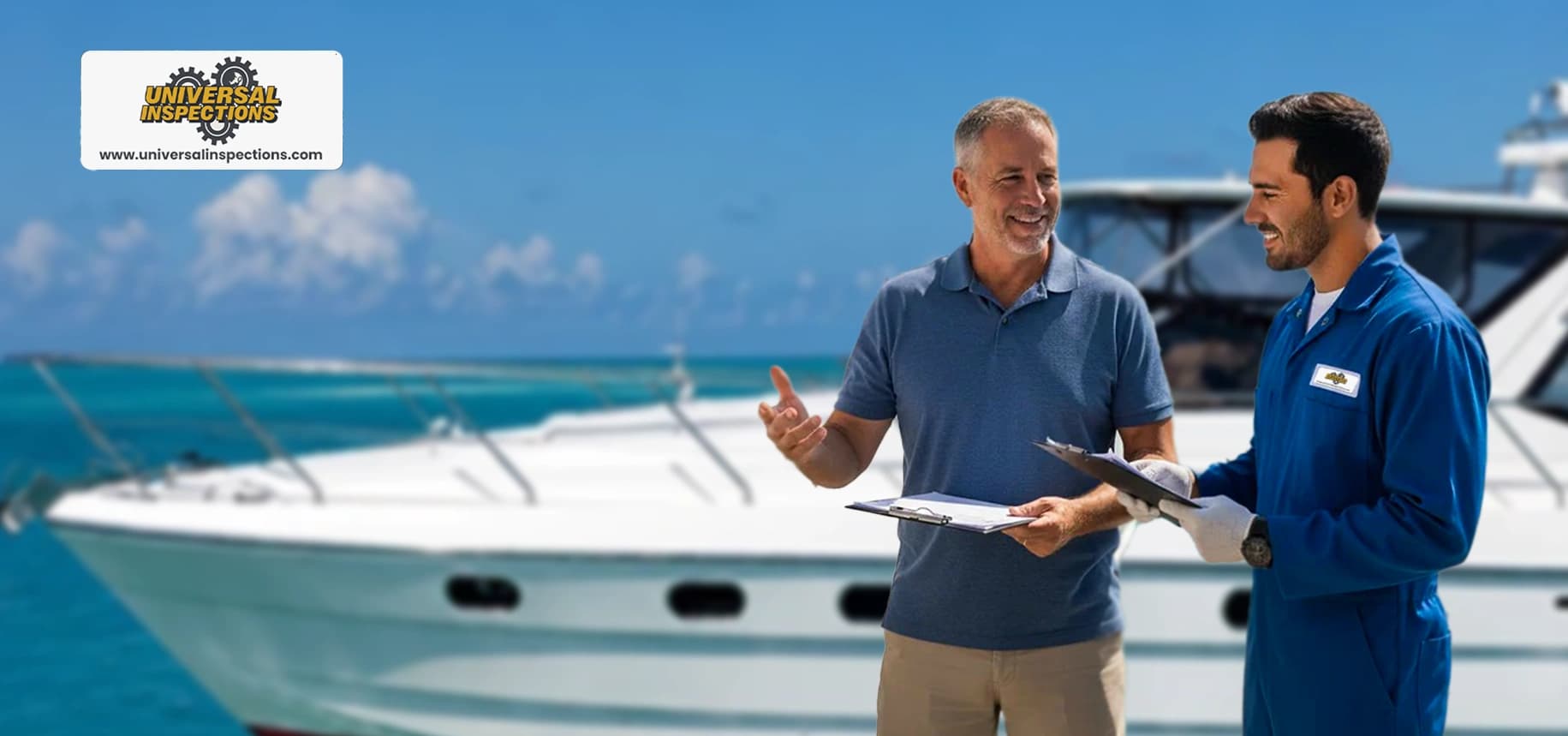
You’ve found the boat. It’s a 24-foot center console sitting at a marina near Mobile Bay; the seller swears the engine “runs like a dream,” and the asking price feels almost fair. Almost. Something still nags at you. Is that soft spot near the transom normal? Why does the bilge smell like that? Before you shake hands, ask whether the price matches the boat you’re actually buying.
Pre Purchase Boat Inspections answer that question with evidence rather than guesswork. And in a negotiation, evidence is what moves numbers.
Sellers can brush off a buyer’s hunch. A written report is much harder to brush off.
Saying “I think the wiring looks old” gets you nowhere. Handing over a report that notes corroded connections or a failing component changes the conversation. The seller now has to respond to a specific issue with a specific cost attached.
Boats here live hard lives. Gulf Coast saltwater, summer humidity, and heat that can bake gelcoat and degrade wiring all take their toll. Lake boats on Smith Lake or Lake Martin face their own wear. A vessel can look spotless from the dock and still hide trouble that only a trained eye will catch.
A good inspection goes well beyond a walk-around. Based on the services outlined by Universal Inspections, a thorough review typically includes:
Hull and superstructure: structural integrity, signs of damage, and past repairs
Propulsion systems: engines, drives, and propellers
Electrical, plumbing, and mechanical systems: the quiet failures that cost real money
Navigation and safety equipment: gear that must work when conditions turn
Each item gives you something to work with. Some findings are minor. Others are the sort of thing that changes whether you want the boat at all.
A worn propeller here, a questionable bilge pump there. Individually, these seem trivial. Together they can add up to a repair bill that justifies a meaningful price adjustment. Pre-purchase marine inspections put those line items on paper so you can weigh them honestly instead of discovering them after closing.

Finding problems is only half the job. What you do next is where the savings come from.
Once the report is in hand, most buyers choose one of three paths:
Ask for a price reduction that reflects the estimated cost of repairs
Request that the seller fix the issues before the sale closes
Walk away if the problems are serious or the seller won’t budge
None of these is aggressive. They’re standard practice, and a seller who has listed a boat in good faith will usually expect some version of this conversation.
Resist the urge to argue every item. Focus on the findings that carry real cost or real risk, and present them calmly. Sellers tend to respond better to a buyer who sounds prepared than one who sounds adversarial. A fair, documented request is hard to refuse, and it often settles faster than a haggling match built on vague complaints.
Timing helps, too. Make your purchase offer contingent on inspection results, and put it in writing. That keeps your options open and gives the report real leverage rather than leaving it as a courtesy.
The inspection fee is small next to the price of a boat, and the report can pay for itself several times over, either through a lower price, repairs made at the seller’s expense, or a bad deal avoided entirely. Pre-purchase marine inspections aren’t an obstacle between you and the water. They’re how you make sure the boat you want is the boat you get.
Universal Inspections evaluates hulls, propulsion, electrical and mechanical systems, and onboard safety equipment for buyers who want a clear picture of a vessel’s condition. Before you sign anything, schedule your inspection and let the report guide what you offer.
A seller’s word isn’t a substitute for a documented assessment. Even honest sellers can miss problems they’ve gotten used to over the years. A Pre-purchase marine inspections gives you an independent view of the vessel’s condition before any money changes hands.
It can. Saltwater exposure along the Gulf Coast tends to speed up corrosion, while lake boats face different wear from sun, humidity, and heavy use. Either way, it’s useful to tell your inspector where the boat has spent most of its time.
You can Schedule an inspections as soon as you and the seller agree on terms in principle, and before you finalize the purchase. That way the findings can still shape the deal rather than arriving after it’s done.